Our Story
Our story in Gippsland farming began in 1936, when Alexander Calder bought the farm that's still the centre of everything we do today. The place looks different. The people have changed. The technology has changed. The ethos hasn't.
Farming is a way of life, and a commitment to something bigger than yourself. The land, the vines and the animals come first — rain, hail or shine, every day of the year.
We're five generations in now, but the Wandilla family is much bigger than our own. Around 30 people work here, and between them they keep this place running 365 days a year: the dairy team starts at 3.30 each morning, and our retail team is still serving customers on a Sunday afternoon.
Our story is about the People who bring it to life, the Place that shapes it, and the Produce that comes from both. Our ethos is simple — a commitment to A-grade, and a constant push to make the best wine, dairy and beef we possibly can.
We hope you'll experience it, enjoy it, and support it. We'd love to welcome you to the Wandilla family.
Our Family
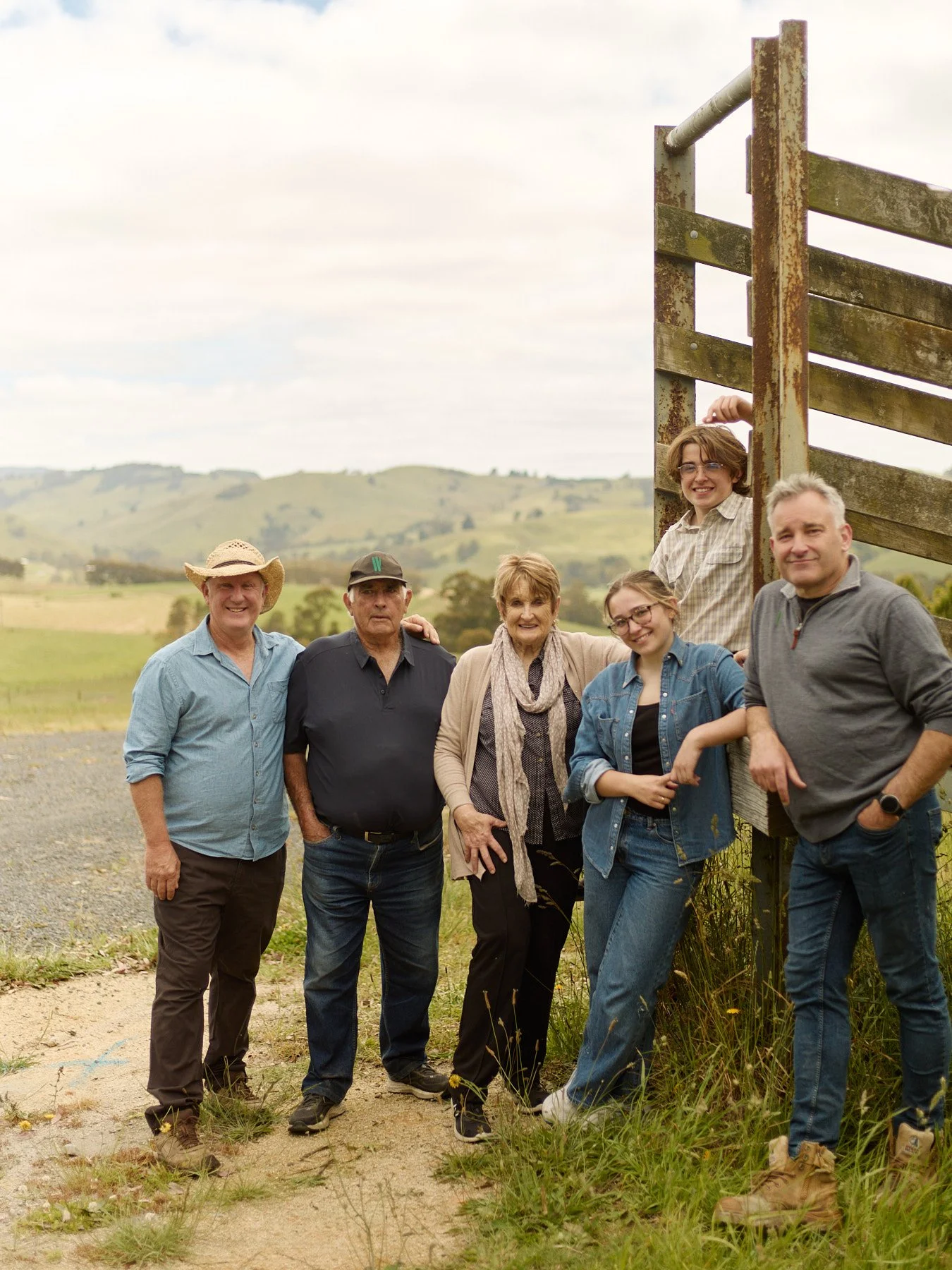
From Alexander Calder's vision in 1936 to today's fifth generation, Wandilla has brought our family together.
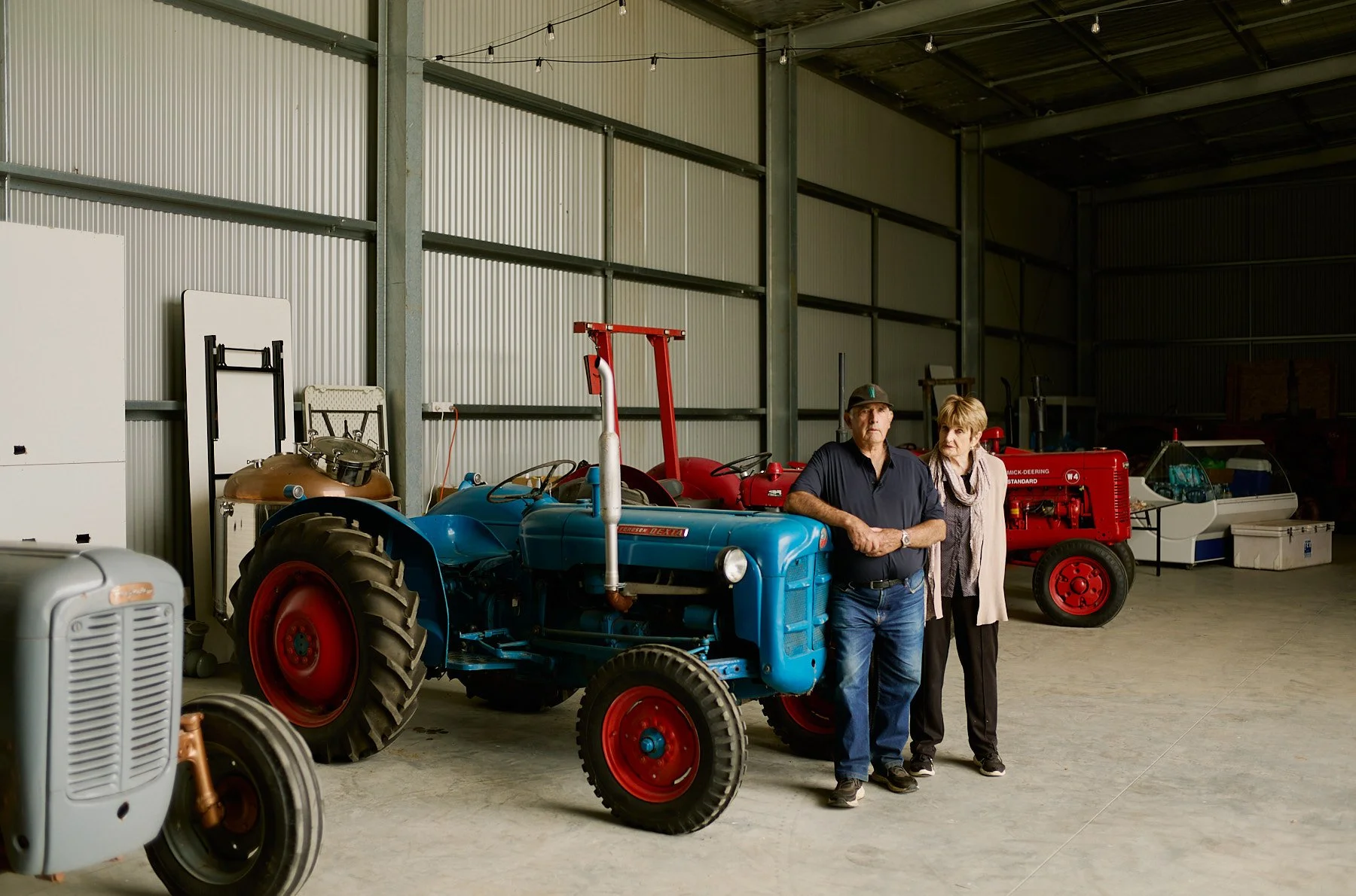
Rob embodies what that commitment means. He turns 80 in 2026 and still works on the farm every day. He can't stand to see a fence that isn't straight, a cow that needs help, or someone on the team under pressure — and he steps in himself, every time. He's been recognised by Holstein Australia as a Master Breeder.
Heather stands beside him. She's worked as a teacher throughout her life, alongside her work on the farm, because at Wandilla everyone pitches in.
Our Farm
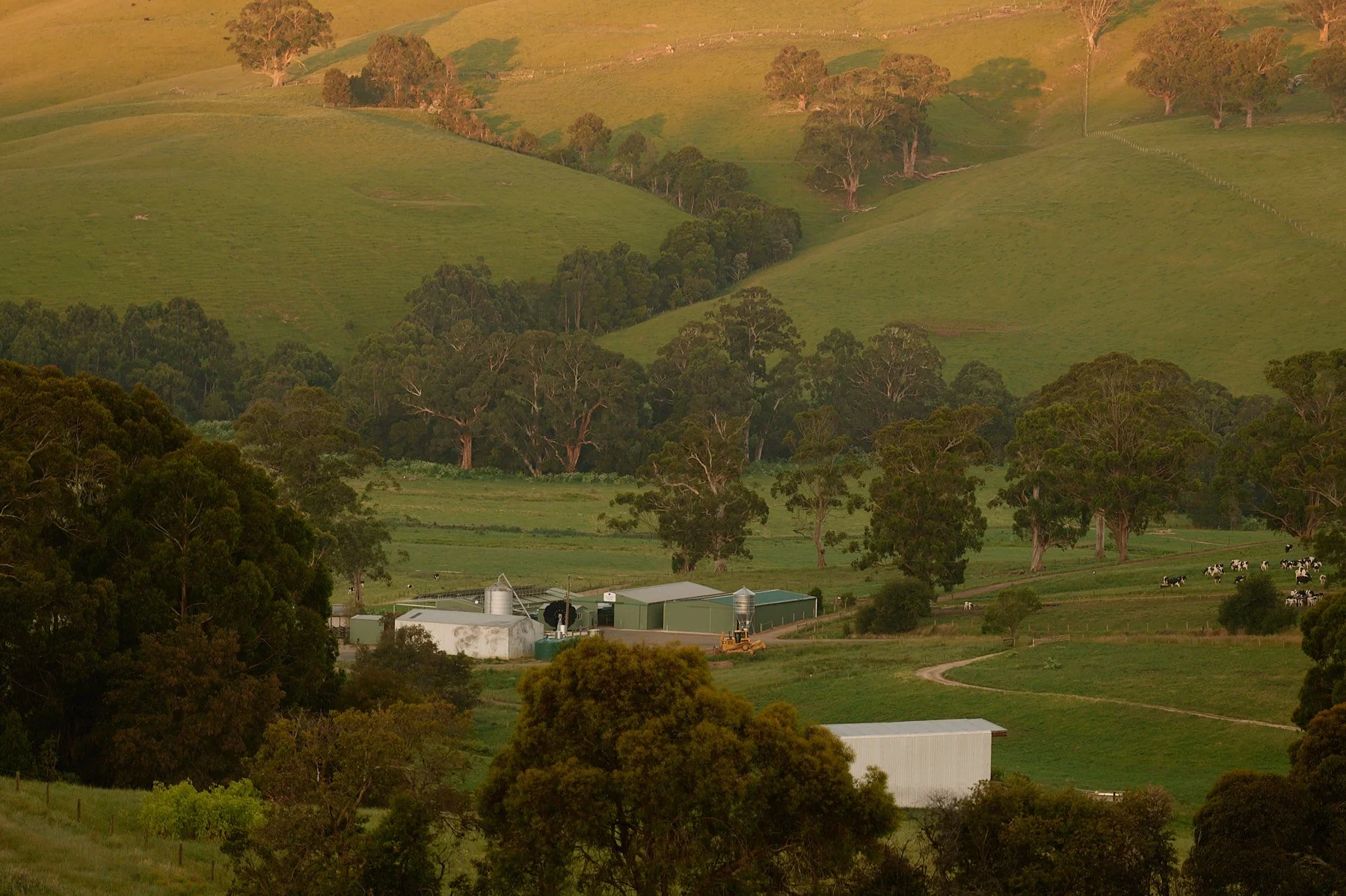
A farm requires constant care — of our people, our animals, our vines and our land. The return on that care is the quality of what comes off it: a unique bottle of wine, beautiful milk, or some of the best steak you'll ever eat.
Vines are pruned at certain times of year so that months later we harvest the best grapes we can. Spring is when they burst to life — as does the grass, which responds to the rain and the shift in temperature by exploding out of the ground. It turns a green so vibrant it takes on a silvery sheen, bursting with the nutrients it needs to grow.
Just as the grape harvest comes in autumn, it's spring that starts the harvest season for the rest of the farm. Each year we take the excess grass to make hay and silage, to carry the cattle through the winter ahead. The grass is mown and wilted to create silage that locks in its nutrients — done well, it comes out with a rich, chocolatey aroma. Hay is left to grow longer, then fully dried in the last of the spring sun and into early summer. It's the old saying in action: make hay while the sun shines. Hay digests slower than silage, generating more warmth in the process — which is exactly what the cattle need in the depths of winter.
SmartFlower
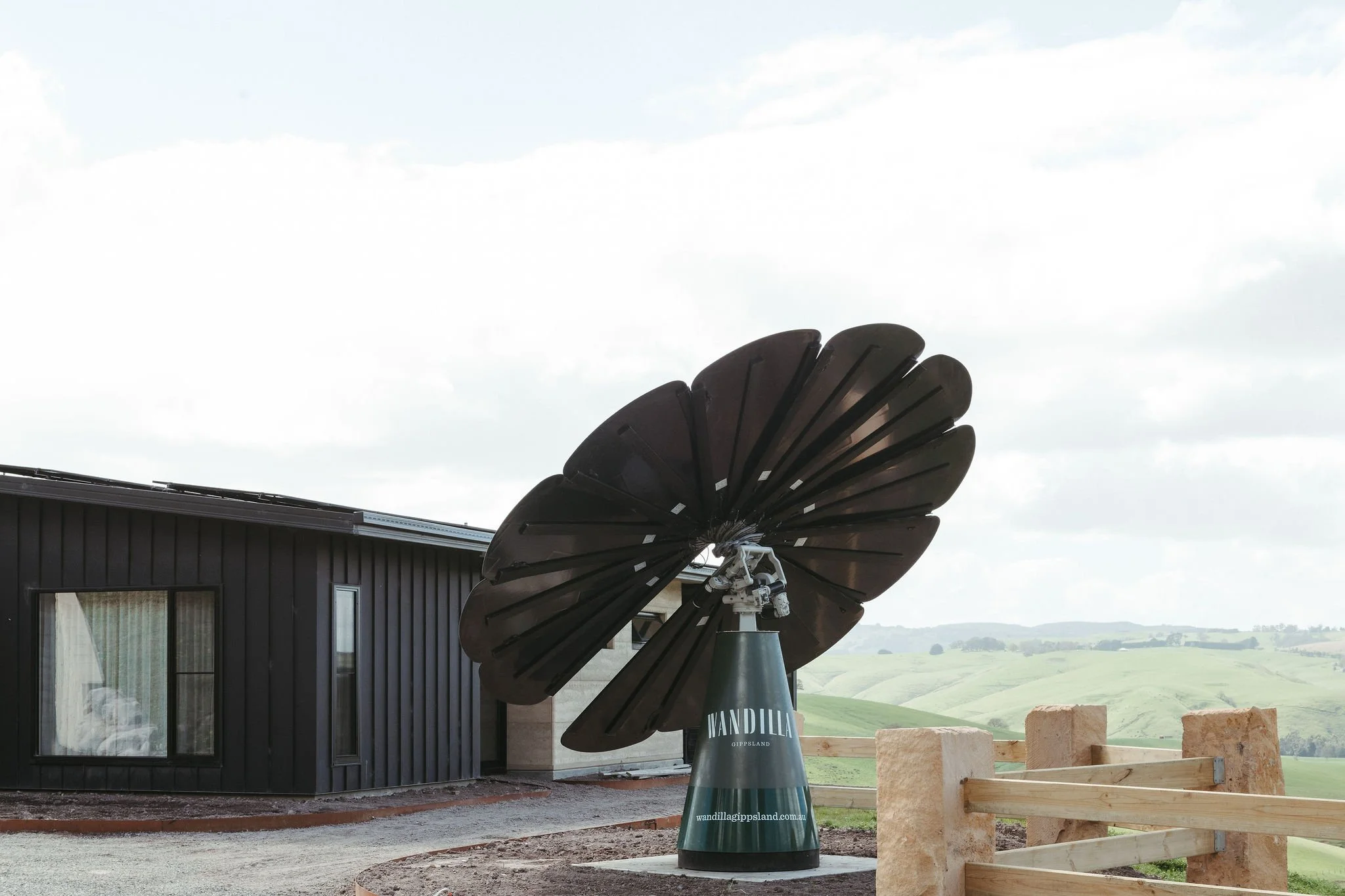
The SmartFlowers are one expression of that. They're an engineering marvel, and getting them here was its own story — hours of YouTube research, meetings in Boston with SmartFlower's CEO, manufacture in Austria, and a long trip to Australia to bring them home.
Wandilla has the first SmartFlowers in Australia — four of them. Elsewhere, they've gone up at sites including Toyota's West Virginia manufacturing plant in the US. Modelled on a sunflower, they track the sun through the day at the optimal angle — generating up to 40% more power than a fixed system — before folding closed each evening and brushing the dust from their own panels in the process.
Sustainability
At Wandilla, technology and sustainability aren't two separate pursuits — they're the same commitment, seen from two angles. It starts as a mindset, becomes a habit, and ends up as part of who we are.
Farming has a real footprint, and it's one we take seriously. It's a journey, and we've still got a lot of work ahead of us — we're not going to pretend otherwise.
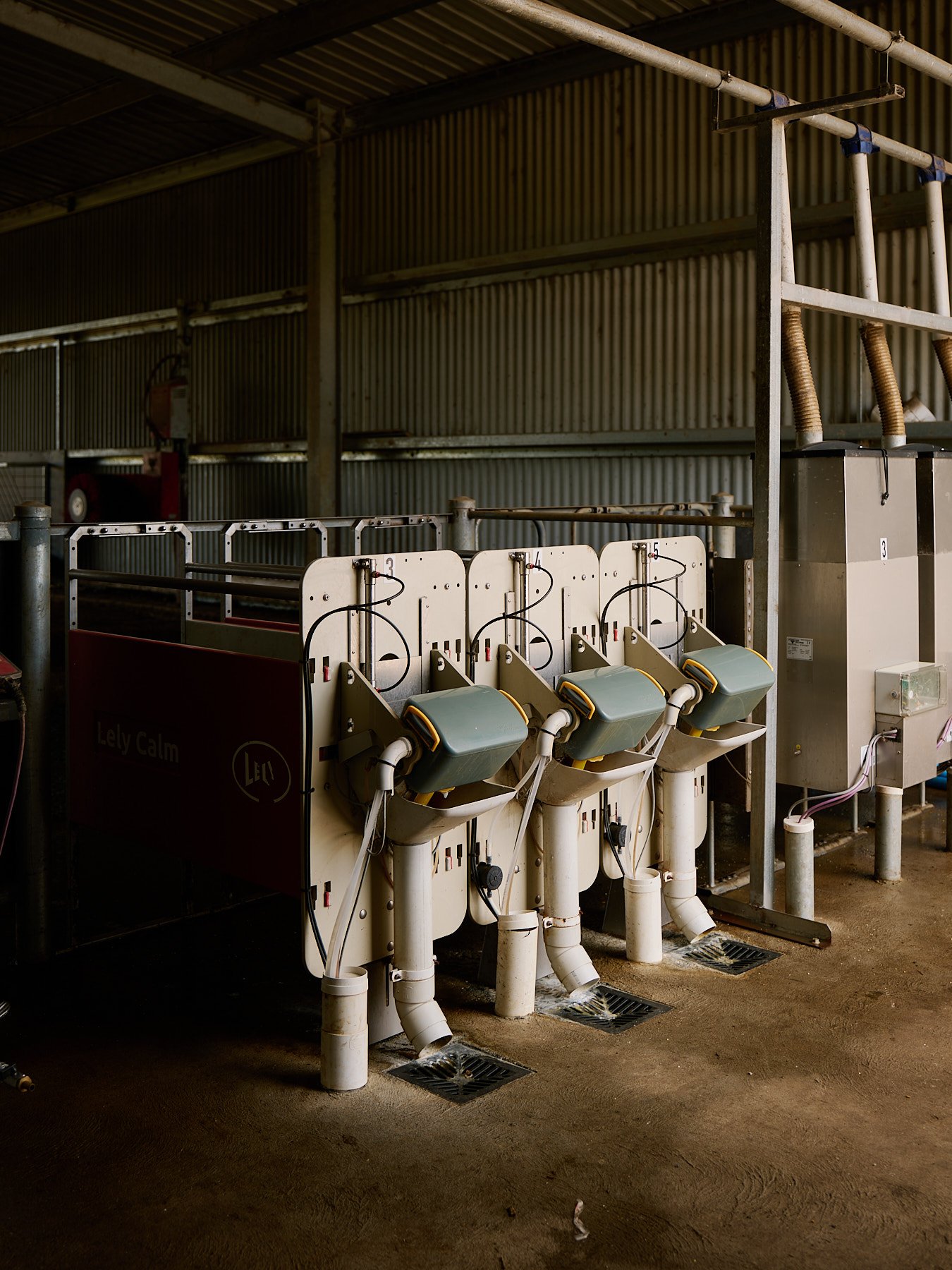
That same commitment shows up across the rest of the farm: in the robots that raise our calves with individual care, the robots that mow the vineyard, the dairy wastewater we recycle to fertilise the paddocks, and the thermal design behind Wild Dog House.